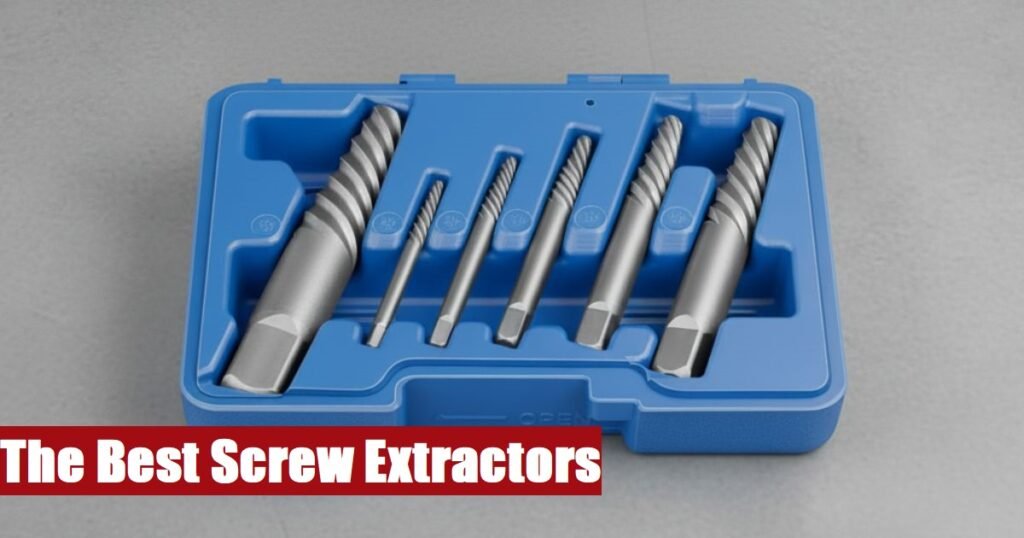
Facing a stripped, broken, or seized fastener can bring any project to a grinding halt, turning a simple task into a source of immense frustration. The solution is a specialized, yet simple, device: the screw extractor. This definitive guide is designed to cut through the confusion and empower you with the knowledge to select the perfect tool. At ToolsVanguard, we’ve analyzed countless scenarios to provide you with a clear path, ensuring you can confidently remove that stubborn screw and get your work back on track without causing any further damage.
What Exactly Is a Screw Extractor and Why Do You Need One?
A screw extractor is a purpose-built tool engineered to remove screws, bolts, and studs that have become impossible to turn with standard tools due to damage. Whether the head is stripped, the shank has snapped, or rust has fused it in place, this tool provides the solution. It works on a simple but brilliant principle: by drilling a pilot hole into the damaged fastener and using the extractor’s reverse threads, it bites into the metal. As you turn the tool counter-clockwise, it grips tighter, applying focused torque to back the stuck fastener out cleanly and efficiently.
The value of having this tool in your arsenal cannot be overstated. It transforms a potential disaster into a minor inconvenience.
- Damage Prevention: Its primary function is to remove the fastener while preserving the threaded hole, saving you from complex repairs like drilling and re-tapping.
- Time and Effort Savings: A task that could consume hours of frustrating, improvised attempts can be resolved in minutes with the correct screw extractor tool.
- Versatility: This extraction tool for screws is effective on various fastener types, sizes, and materials, from tiny screws in electronics to large, rusted bolts on machinery.
- Cost-Effectiveness: By salvaging a component with a stuck fastener, you can avoid the high cost of replacing an entire assembly. An ez screw extractor is a small investment that can save you a fortune.
Why Is a Professional Screw Extractor Your Best Bet?
When faced with a stuck fastener, the temptation to reach for pliers or try a makeshift solution is strong, but these methods often do more harm than good. Improvised attempts with hammers or rotary tools carry a high risk of slipping, further damaging the fastener, marring the workpiece, or causing personal injury from flying metal debris. These generic approaches lack the specific design needed to apply controlled removal force, which is why a professional screw extractor is not just a better option—it is the only reliable one. We believe that using the right screw removal tool is fundamental to a successful repair.
Investing in a dedicated screw and bolt extractor provides peace of mind and a significantly higher rate of success.
- Engineered for the Task: Unlike a generic ez out tool, a professional extractor is made from hardened steel, designed to be stronger than the fastener it is removing.
- Superior Grip: The reverse-thread design is a product of specific engineering, ensuring it bites into the damaged screw and grips tighter as more force is applied—a feature no improvised tool can replicate.
- Safety and Precision: A proper easy screw extractor minimizes the risk of slipping and damaging surrounding materials, leading to a clean, professional result.
- Optimal Outcome: Ultimately, using a specialized easy out extractor tool preserves the integrity of your project, ensuring a damage-free removal that allows for a simple replacement.
Finding the Perfect Screw Extractor for Your Specific Task
A single, universal screw extractor that works for every situation simply doesn’t exist, and for good reason. The world of fasteners is incredibly diverse, and so are the ways they can fail. The type of damage, the size of the screw, the material it’s embedded in, and the tools you have on hand all demand a specialized approach. This is why extractors are categorized into different types. This specialization is the key to a successful outcome, ensuring you can apply maximum grip and torque precisely where needed without causing more problems. We’ve organized the options to help you pinpoint the best screw extractor for your unique challenge.
Mastering the Mechanics with the Right Extractor Type
This category classifies tools based on their core mechanical design—how they physically grip the damaged fastener. The shape and style of the gripping surfaces determine where and how the tool will be most effective. Understanding these designs is the first step toward selecting the right screw easy out.
- Spiral Flute: The most common and versatile design, featuring aggressive, tapered reverse threads that embed deeper and grip tighter as more removal force is applied.
- Straight Flute: These are hammered into a pilot hole and turned with a wrench, creating less outward pressure than spiral types, which reduces the risk of tightening a seized fastener further.
- Bolt Extractors: These socket-style tools fit over a rounded bolt or nut head, using internal spiral flutes to grip the damaged exterior.
- Multi-Spline: Driven into a drilled hole, these provide multiple points of contact for a balanced, high-torque grip, making them a powerful screw puller.
Explore our in-depth articles on each extractor type to find the mechanical design best suited for your workshop and typical projects.
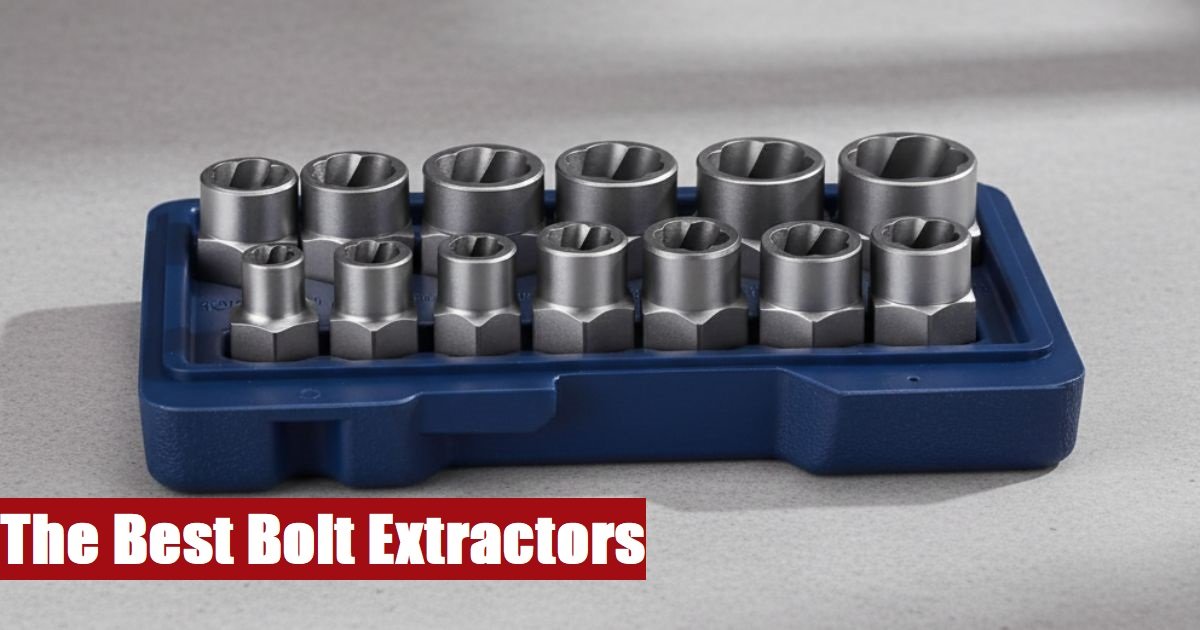
The Best Bolt Extractors: A Comprehensive Review
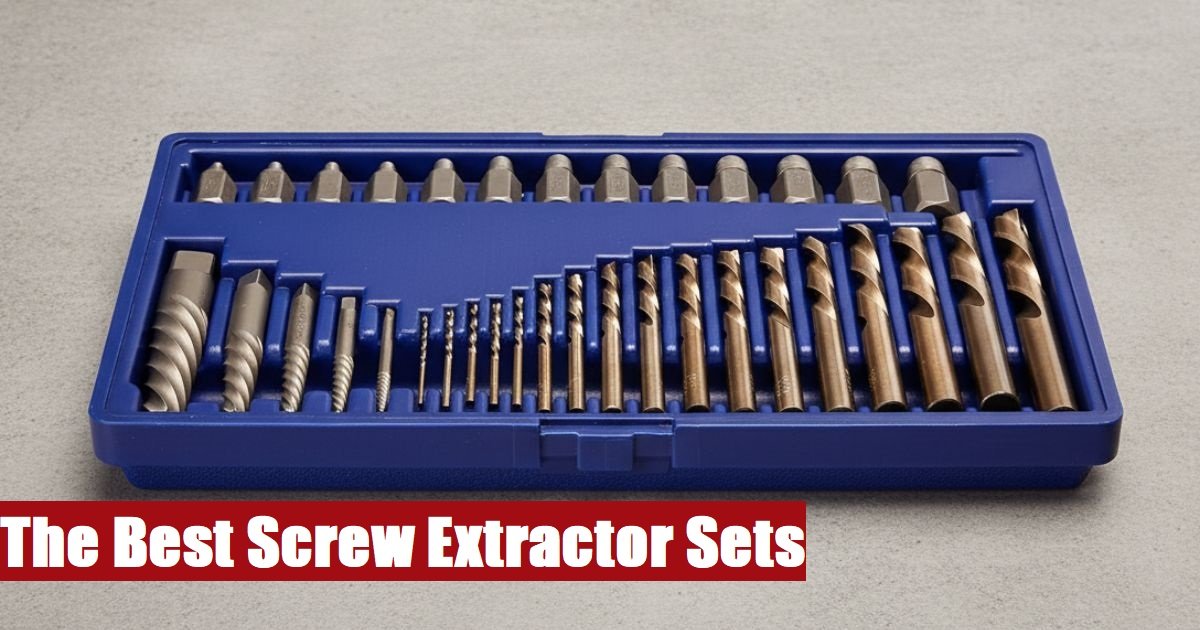
The Best Screw Extractor Sets: Your Ultimate Resource
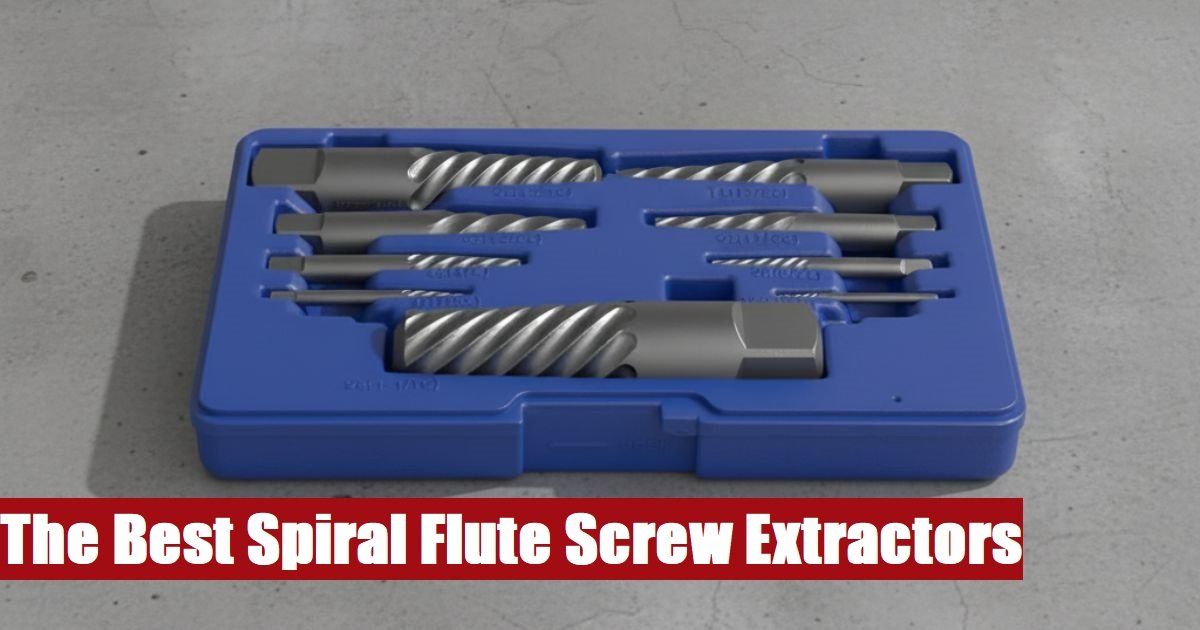
The Best Spiral Flute Screw Extractors: Complete Buying Guide
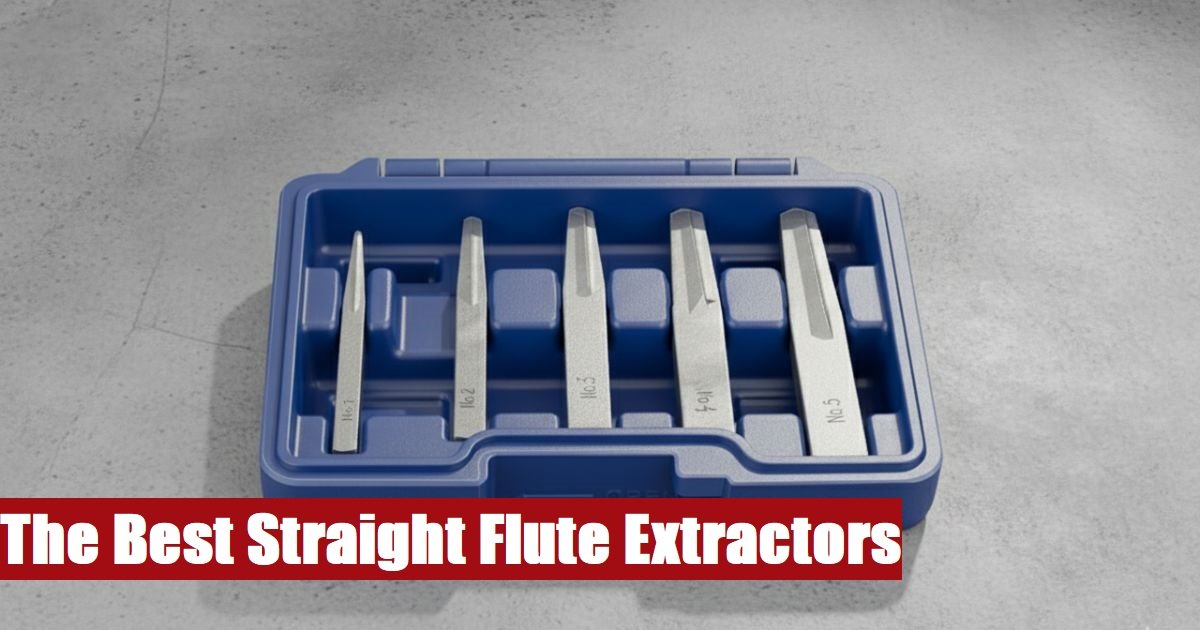
The Best Straight Flute Extractors: An Expert’s Selection
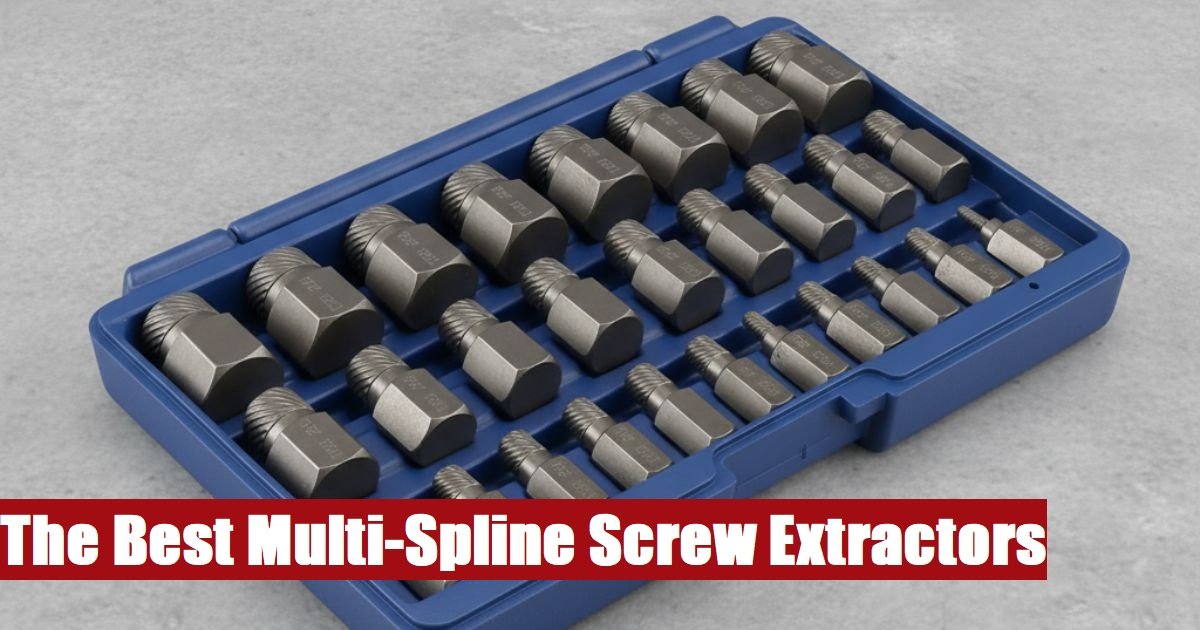
The Best Multi-Spline Screw Extractors: Top Picks and Buyer’s Guide
Targeted Solutions for Your Specific Fastener Problem
This is the most intuitive way to find a solution: categorize the tool by the problem you are currently facing. Instead of focusing on tool mechanics, this approach guides you directly to the best easy out screw extractor designed to solve your particular headache.
- For Stripped Screws: When the drive recess (like a Phillips or hex) is damaged but the head is intact, these tools are designed to get a new grip.
- For Broken or Snapped Screws: If the head has sheared off completely, leaving only the shank, you will need an internal easy out extractor to drill into the center and pull it out.
- For Rounded Bolts: Specifically for bolt or nut heads whose corners are worn away, a bolt extractor socket is the go-to solution.
- For Rusted or Seized Screws: These stubborn fasteners require robust tools to remove bolts made from high-strength steel that can withstand extreme torque, often paired with penetrating oil.
Dive into our problem-specific guides to find the perfect screw remover and turn your frustrating situation into a success story.
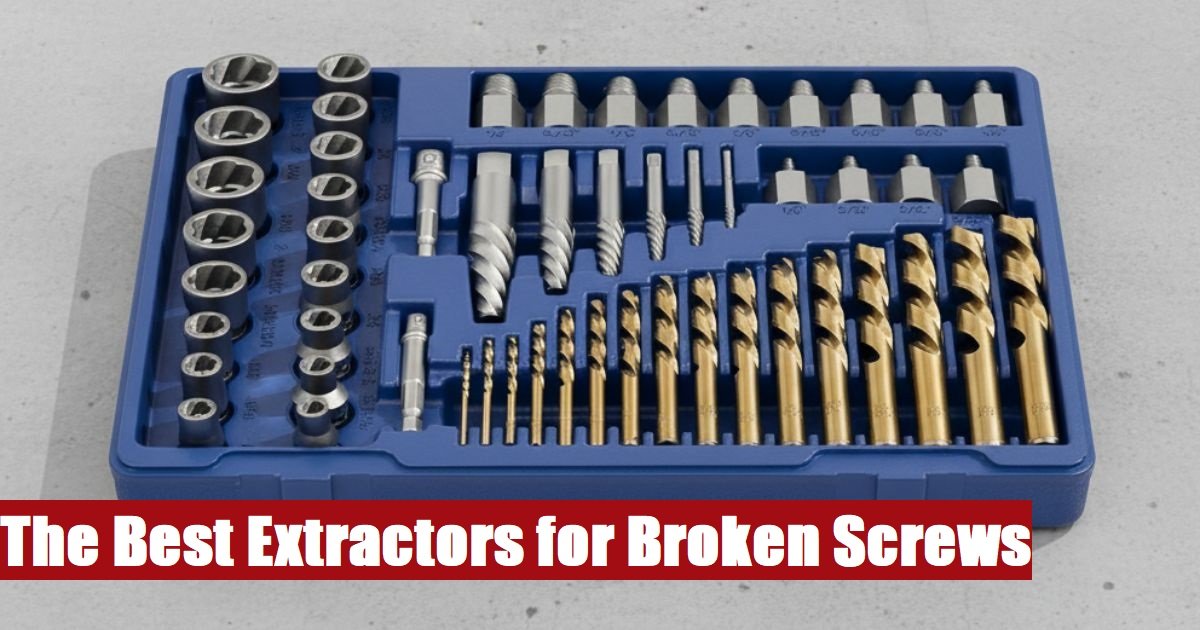
The Best Extractors for Broken Screws: Your Go-To Guide
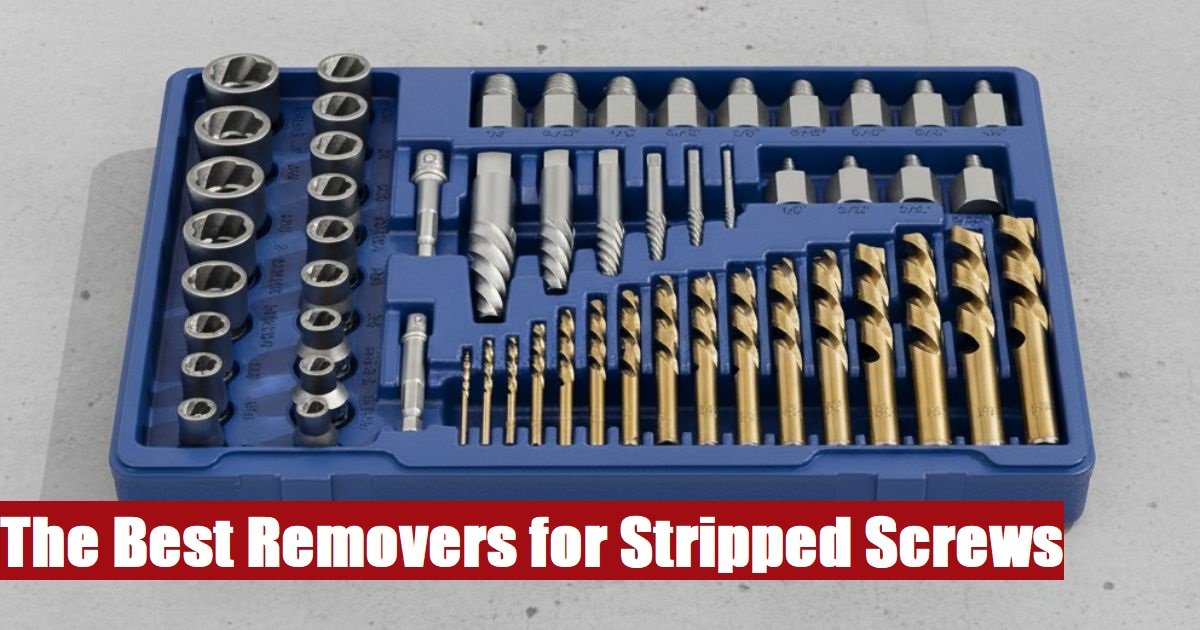
The Best Removers for Stripped Screws: Essential Buyer’s Guide
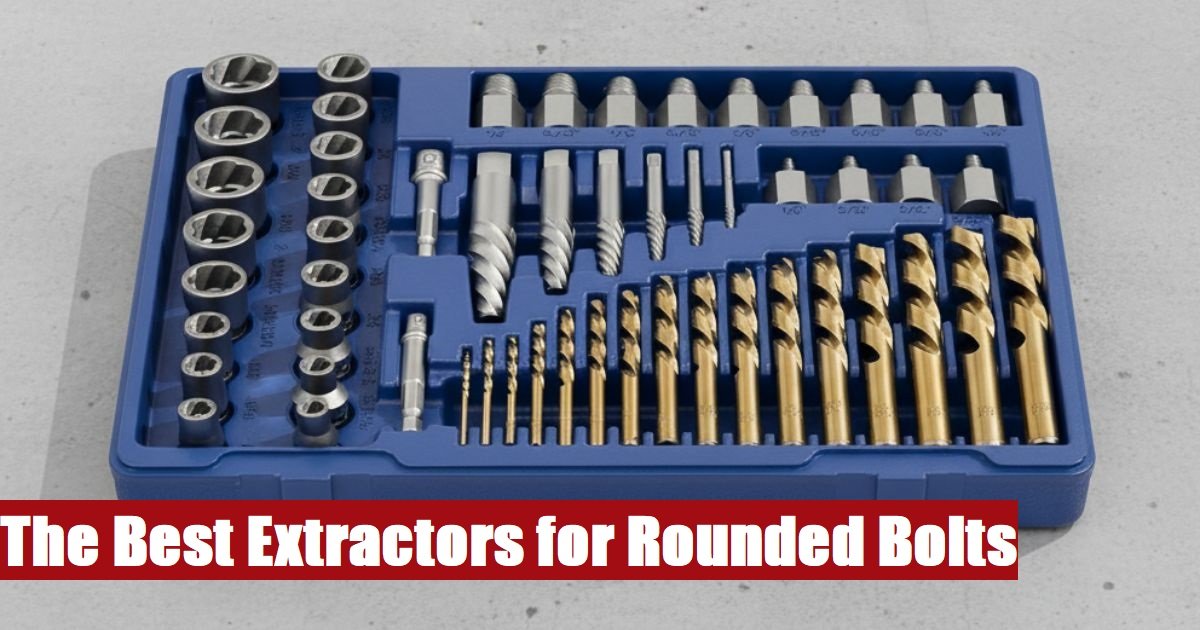
The Best Extractors for Rounded Bolts: A Complete Guide
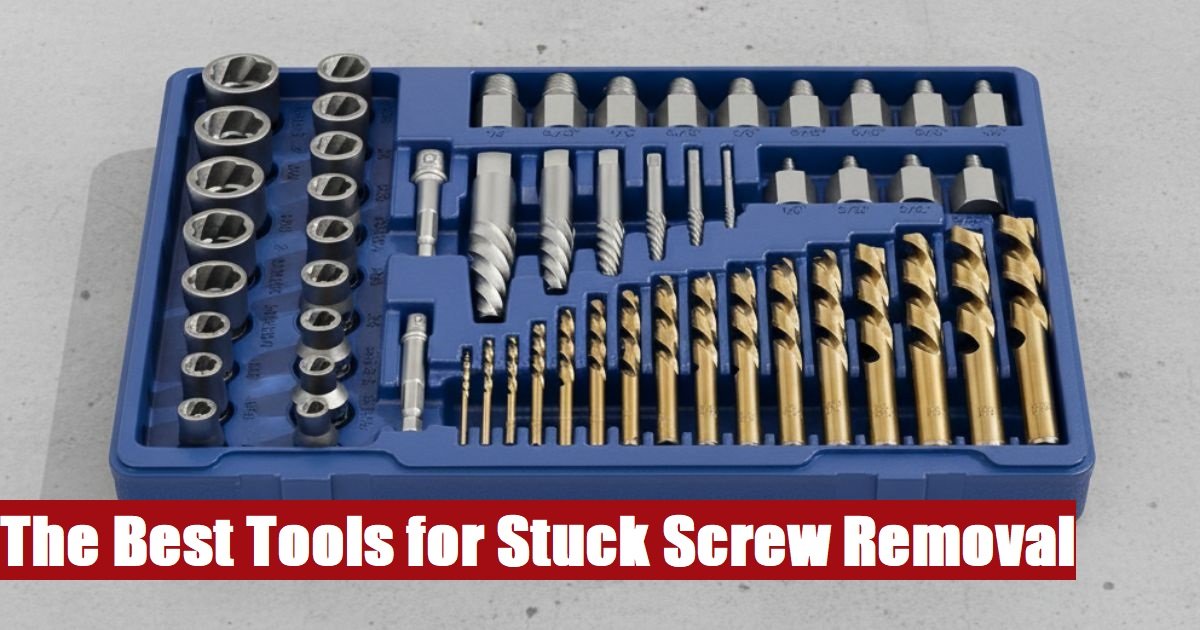
The Best Tools for Stuck Screw Removal: An Expert’s Selection
Specialized Extractors for Different Screw Head Designs
While many extractors are universal once a pilot hole is drilled, some are engineered to engage directly with the damaged drive of a specific screw head type. This can offer a faster solution for mechanics and technicians who frequently encounter certain fasteners.
- Hex Head / Allen Head: For stripped internal hex screws, some extractors feature a reverse-twist hex shape that bites directly into the damaged socket.
- Torx Head: Specialized tools exist to grip the unique star shape of a damaged Torx fastener, sometimes without needing to drill at all.
- Phillips Head: This is the most common stripped screw. The standard solution is a universal spiral or straight flute ez out screw extractor used after drilling a central pilot hole.
If you regularly work with specific fastener systems, check out our guides on these specialized extractor for screws to streamline your repairs.
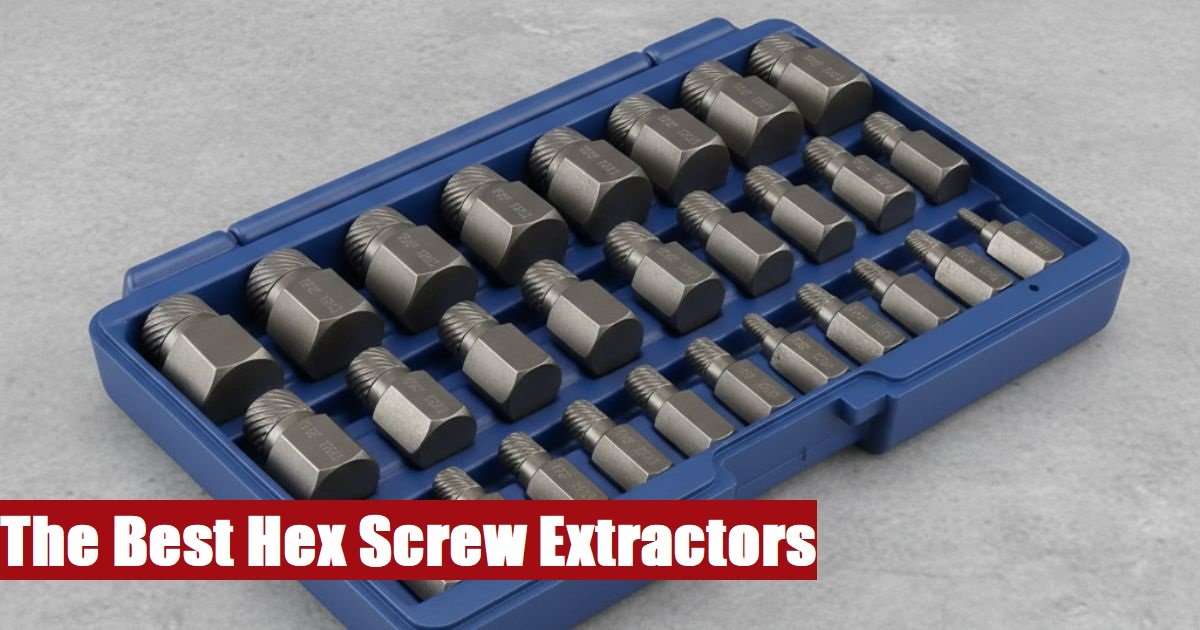
The Best Hex Screw Extractors: A Comprehensive Review
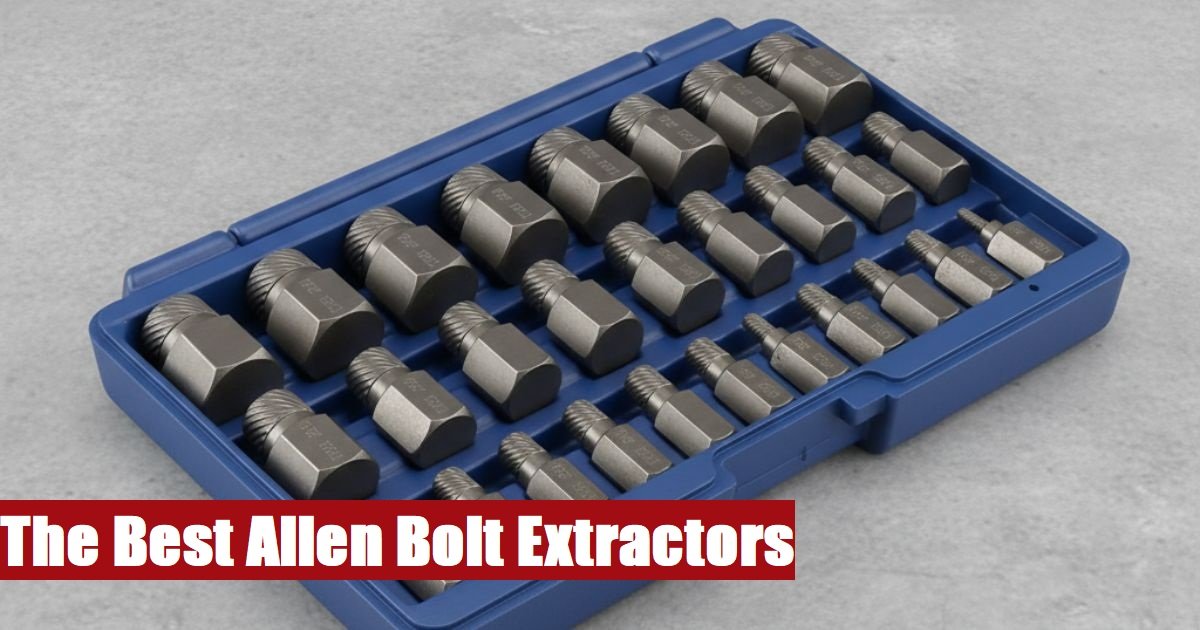
The Best Allen Bolt Extractors: Your Ultimate Resource
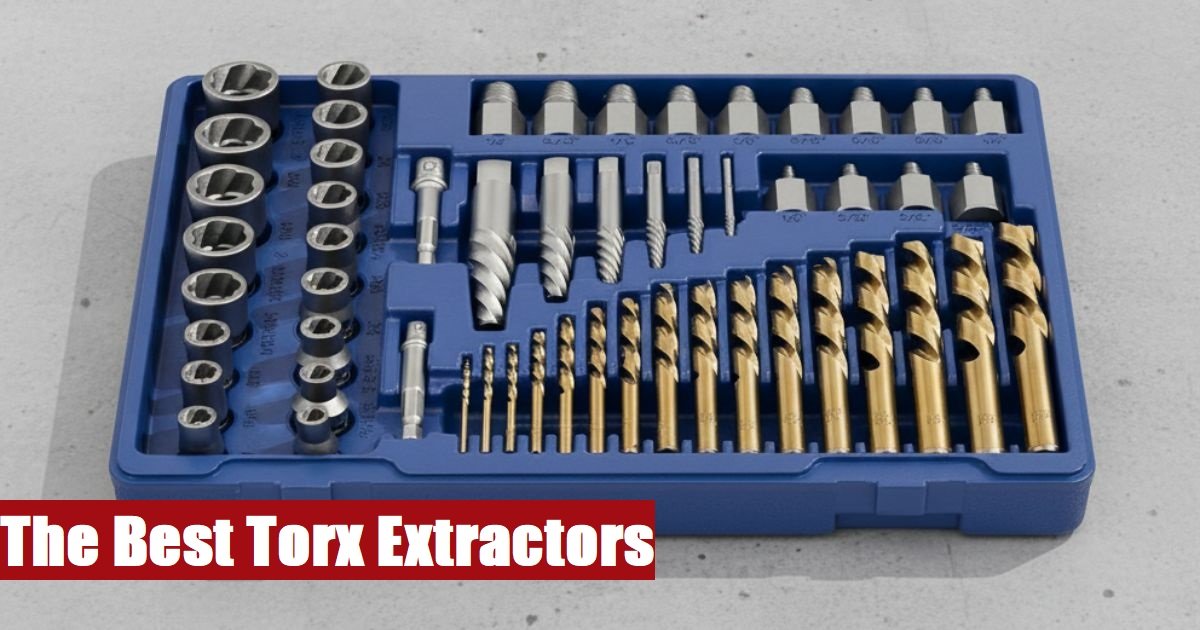
The Best Torx Extractors: Complete Buying Guide
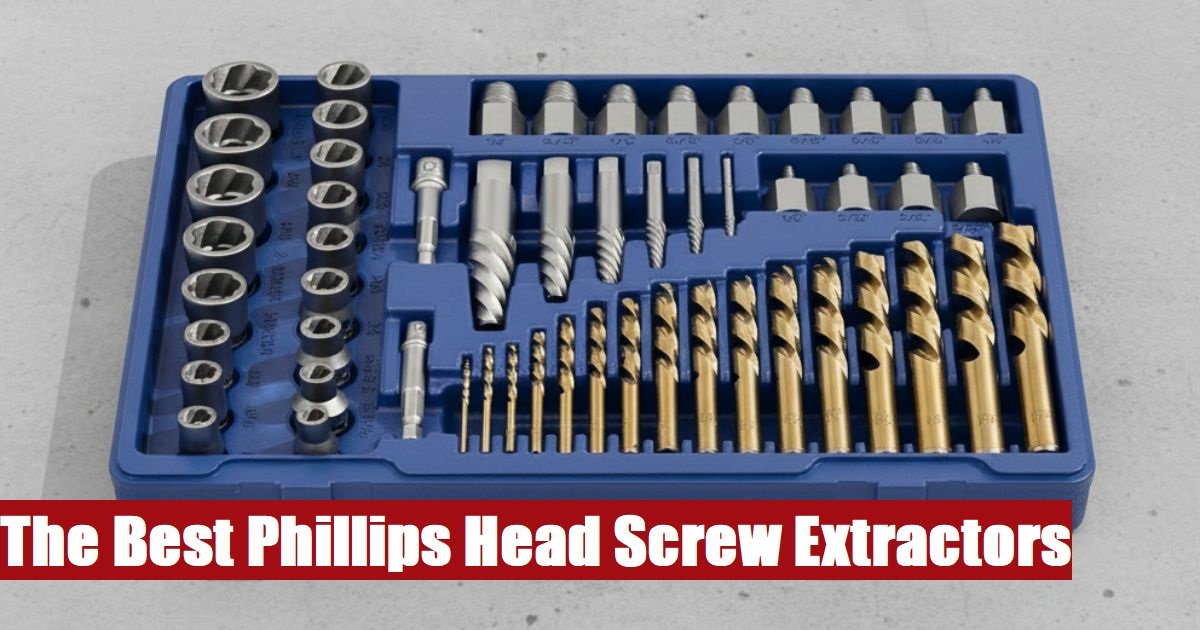
The Best Phillips Head Screw Extractors: An Expert’s Selection
Choosing the Right Extractor Size from Micro to Metric
Success in screw extraction is impossible without the correct size. A tool that is too small will lack grip and may break, while one that is too large can expand and lock the fastener even tighter. This category is fundamental for everyone.
- Small & Precision (Micro): For tiny fasteners found in electronics, glasses, and other delicate devices, these micro extractors are essential.
- Large: Heavy-duty extractors designed for large-diameter bolts and studs found in automotive and industrial applications where immense torque is needed.
- Long & Extra Long: Featuring an extended shaft to reach recessed screws and bolts that are otherwise inaccessible to standard-length tools.
- Metric (8mm, 10mm, etc.): An absolute necessity for anyone working on foreign vehicles or machinery built exclusively with metric fasteners.
Browse our detailed size guides to ensure you select an extractor set that perfectly matches the scale of your projects.
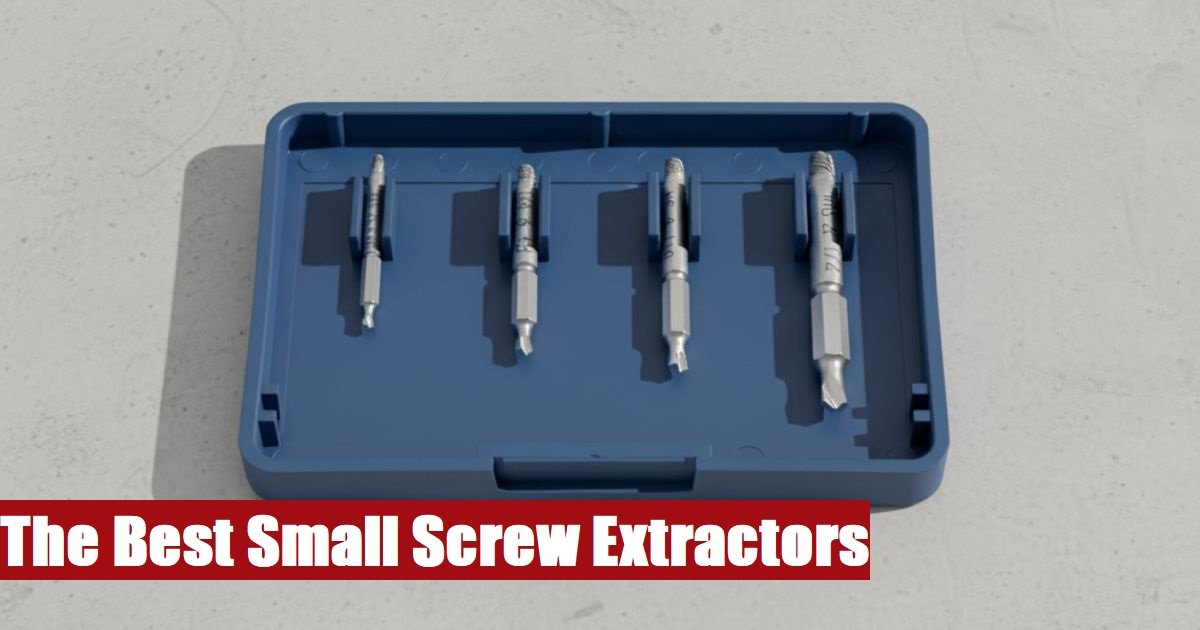
The Best Small Screw Extractors: Top Picks and Buyer’s Guide
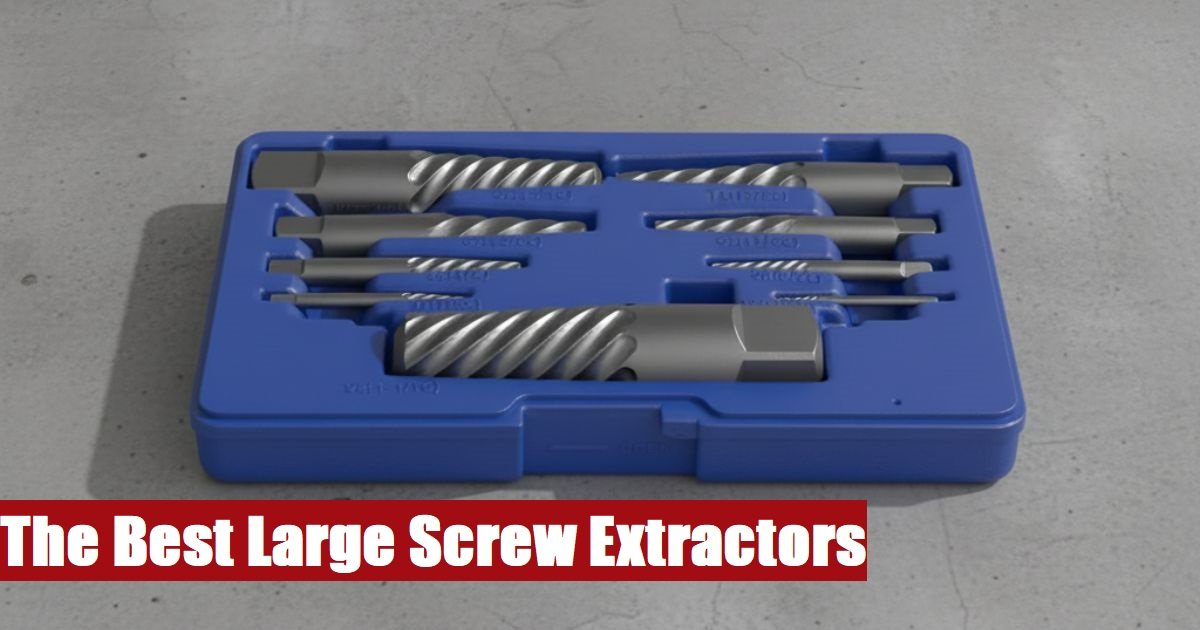
The Best Large Screw Extractors: Your Go-To Guide
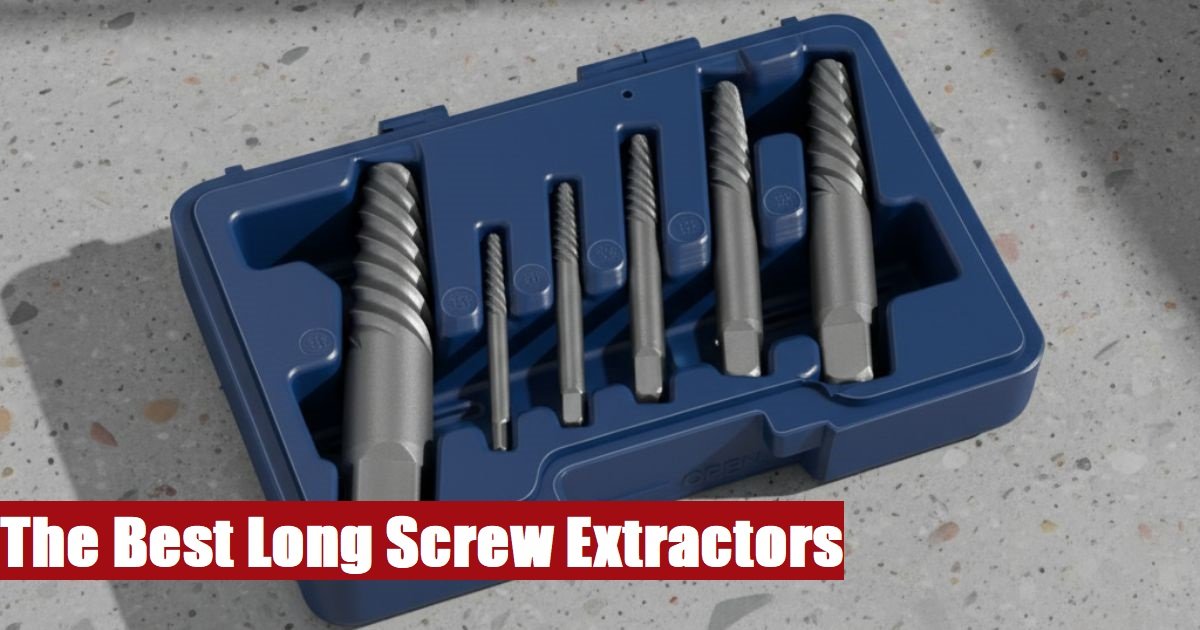
The Best Long Screw Extractors: Essential Buyer’s Guide
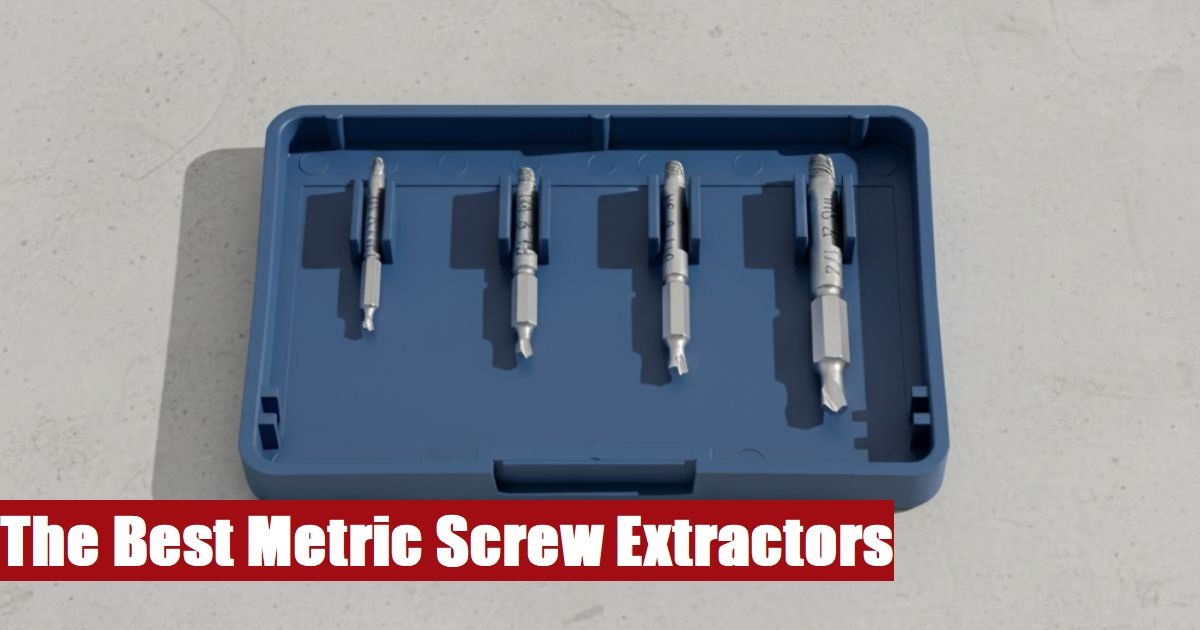
The Best Metric Screw Extractors: A Complete Guide
Matching the Extractor to Your Power Tools and Mechanism
This category focuses on the entire removal system, including the tool that powers the extraction. Matching the extractor to the tools you already own—or the force you anticipate needing—is a smart way to shop.
- Extractor Drill Bits: Often double-ended, with one end for drilling the pilot hole (sometimes a left-handed bit that can loosen the screw on its own) and the other end serving as the ez out extractor. The popular speed out screw extractor falls into this category.
- Impact Extractors: Made from exceptionally tough steel and rated for use with impact drivers, these tools use rapid rotational impacts to break free the most stubborn fasteners.
- Reverse Thread (Left-Hand) Extractors: This is the core mechanism for most internal extractors. The counter-clockwise turning motion simultaneously tightens the extractor’s grip and loosens the standard-threaded screw.
Discover which tool type and mechanism will best integrate with your existing toolkit by exploring our comprehensive reviews and guides.
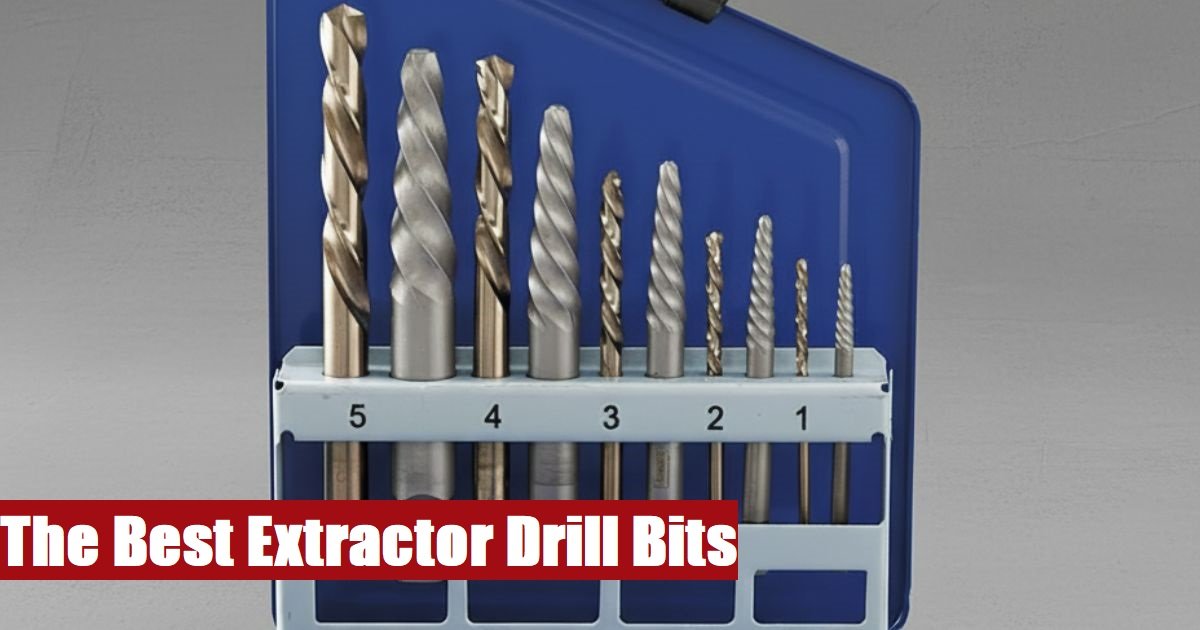
The Best Extractor Drill Bits: An Expert’s Selection
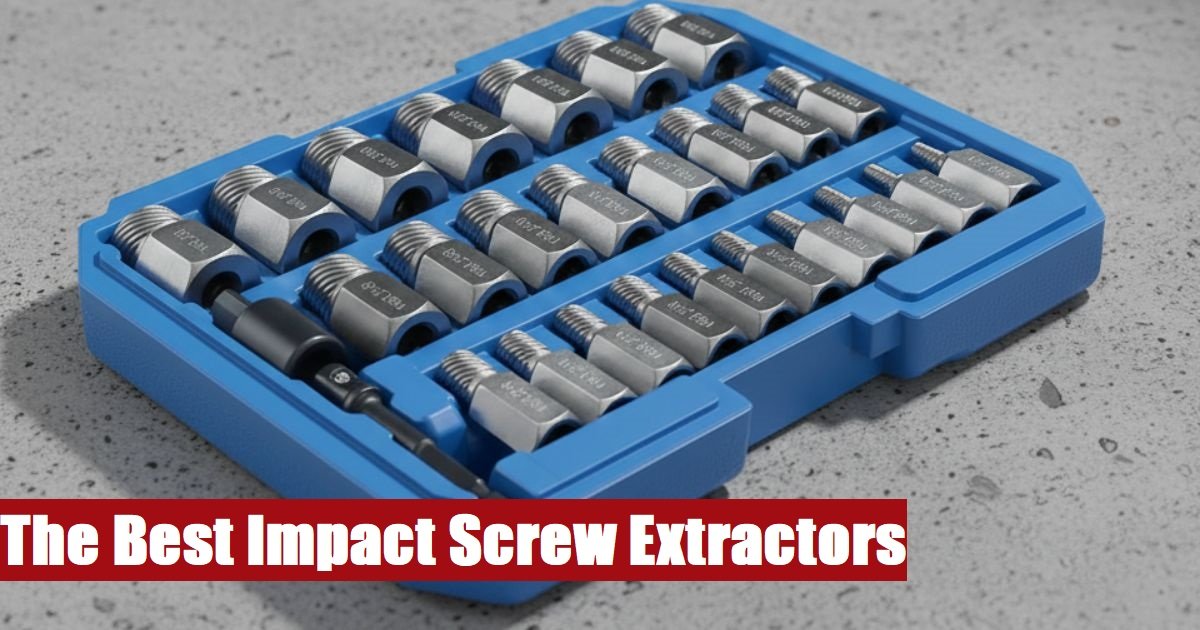
The Best Impact Screw Extractors: A Comprehensive Review
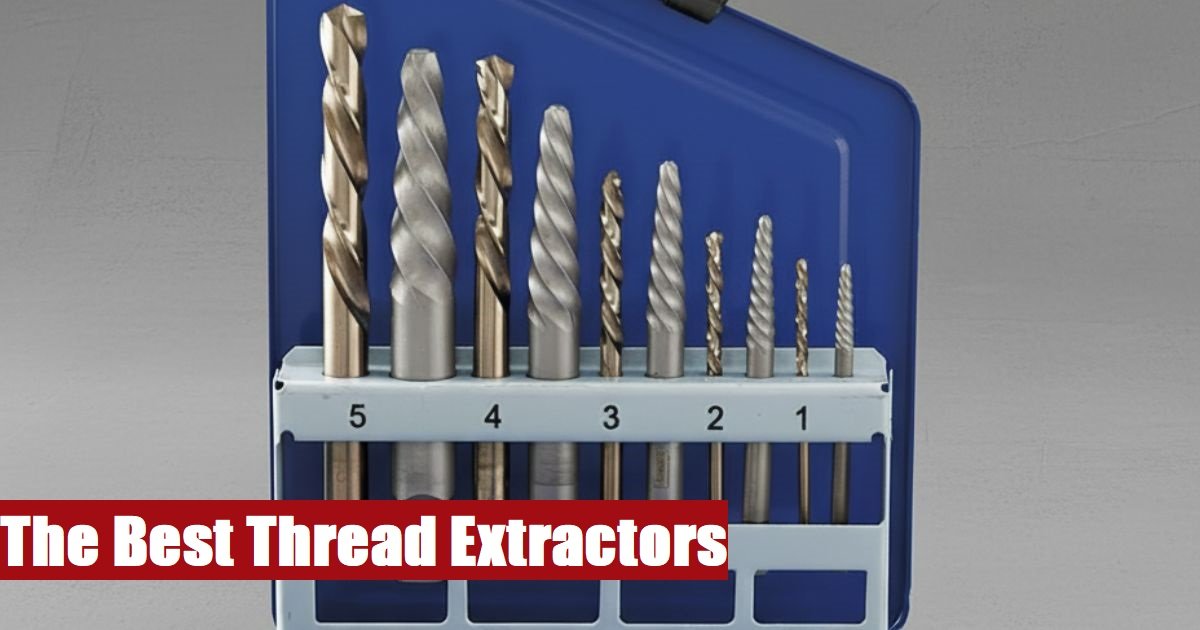
The Best Thread Extractors: Your Ultimate Resource
Purpose-Built Extractors for Every Application and Material
Different materials and applications present unique challenges. This category groups tools that are purpose-built to overcome the specific hurdles of a given job, making them invaluable for specialists.
- For Wood: Extracting screws from wood requires tools that can grip firmly without splintering or damaging the soft surrounding material.
- For Pipes: Known as pipe nipple extractors, these grip the inside of a broken pipe or fitting, allowing for removal without damaging the threads of the housing.
- For Studs: When a headless bolt or stud breaks flush with a surface, a stud extractor is required to drill in and remove the remaining piece.
- For Security Screws: Damaged security fasteners require specialized extractors that can interface with their unique drive types.
- For Laptop: An application that demands a micro screw extractor remover to work on tiny fasteners without harming delicate electronics.
If you are a specialist like a plumber or electronics technician, our application-specific guides will direct you to the exact tool built for your trade.
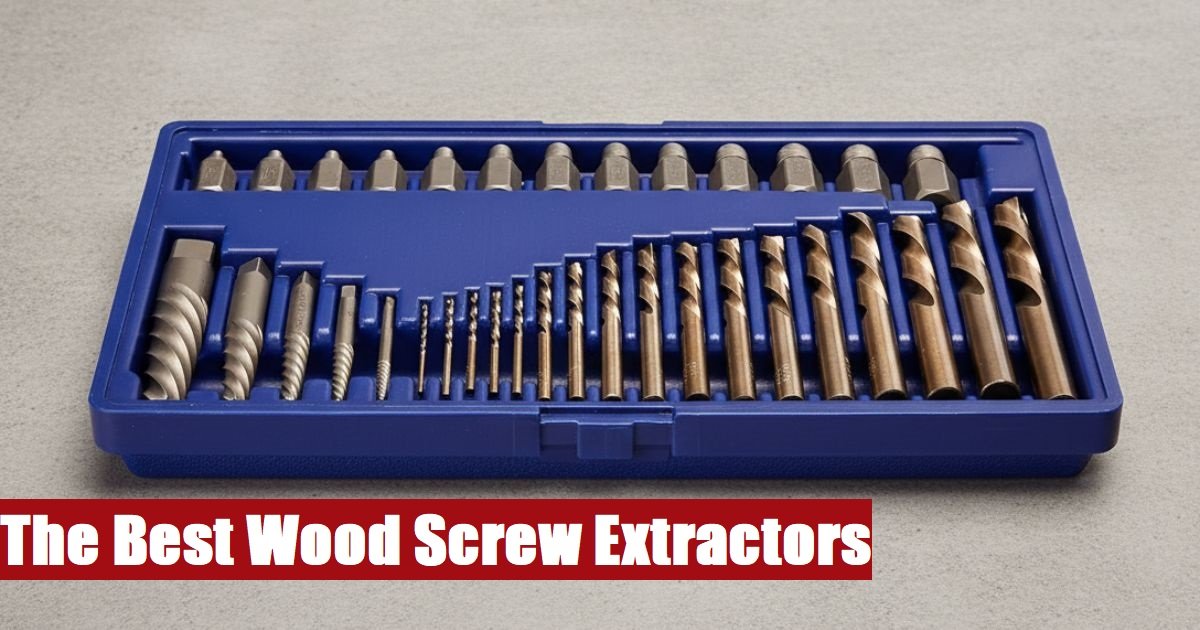
The Best Wood Screw Extractors: Complete Buying Guide
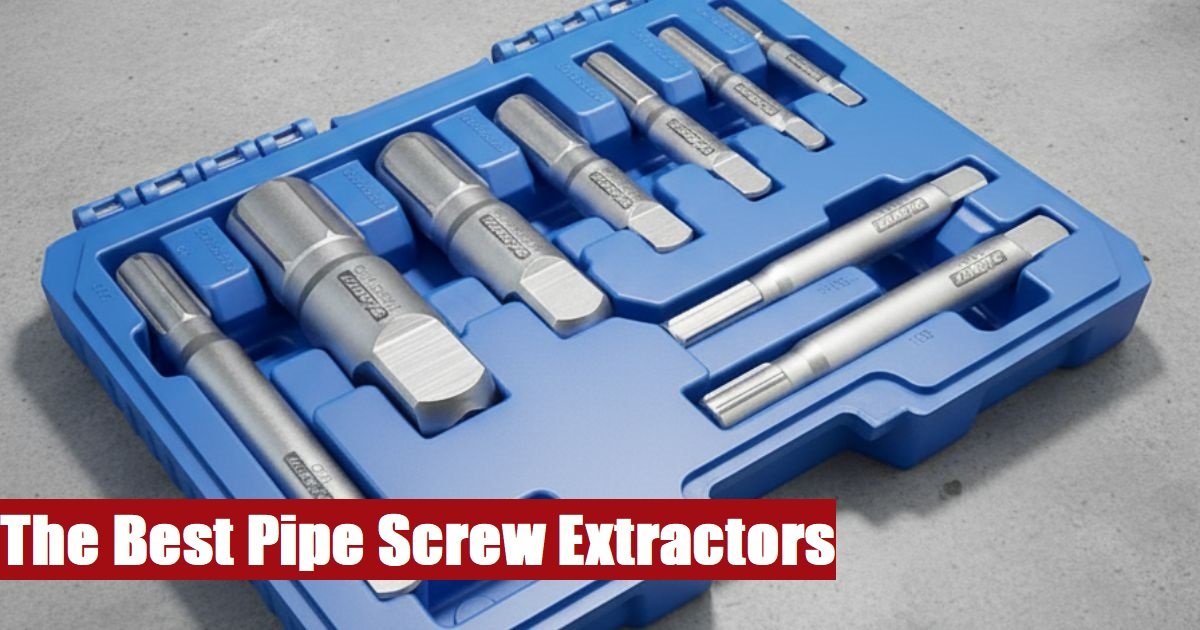
The Best Pipe Screw Extractors: Top Picks and Buyer’s Guide
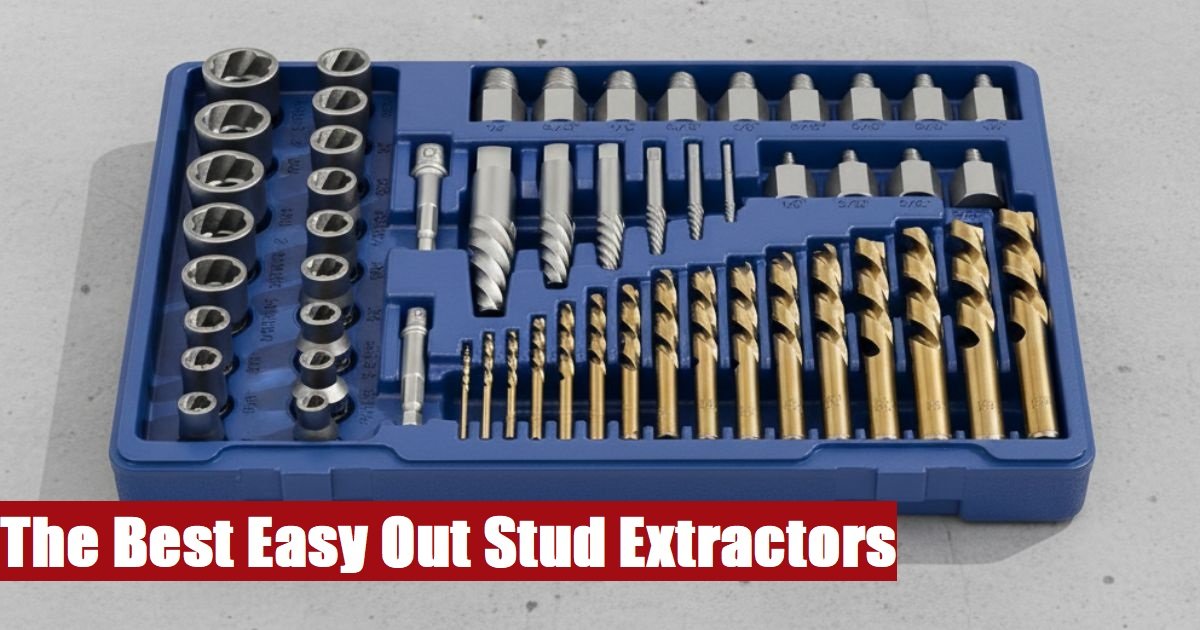
The Best Easy Out Stud Extractors: Your Go-To Guide
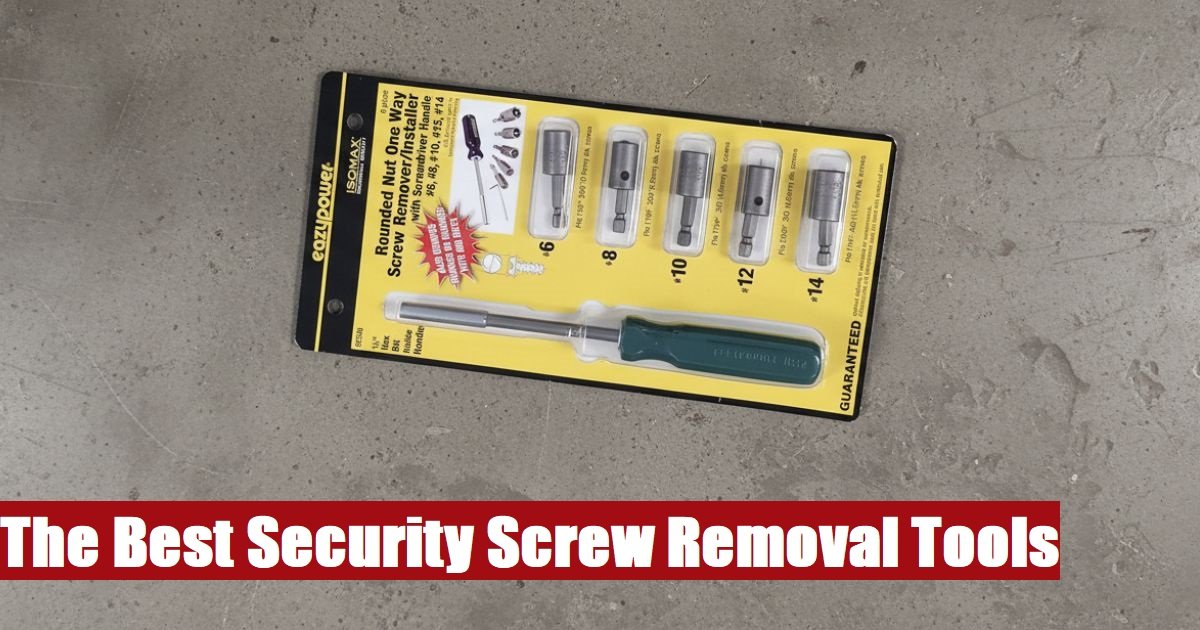
The Best Security Screw Removal Tools: Essential Buyer’s Guide
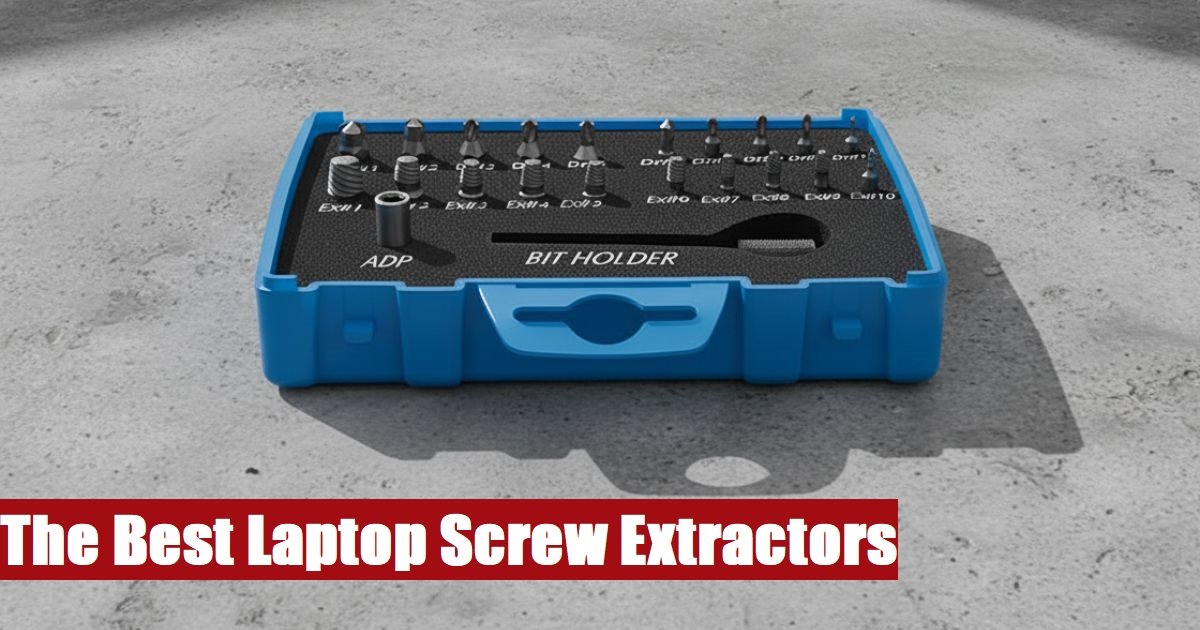
The Best Laptop Screw Extractors: A Complete Guide
Trusted Brands That Deliver Quality and Reliability
For many professionals and serious DIYers, brand reputation is a shortcut to quality and performance. Choosing a brand known for durability and smart design is often a wise investment.
- Irwin: Highly regarded for its Hanson line of extractors, offering durable and effective tools for both professionals and hobbyists.
- Snap-on: A premium brand synonymous with professional automotive mechanics, known for exceptional quality and performance at a premium price.
- Craftsman: A household name offering a solid balance of affordability and quality, making their extractor sets a great starting point for any home toolbox.
- DeWalt / Milwaukee: Major power tool brands that offer reliable extractor sets designed to complement their tool systems.
- Grabit / SpeedOut: Brands that specialize in the convenient double-ended extractor bit design, popular among casual users for its simplicity.
- Gearwrench: Popular with mechanics for innovative designs like their Bolt Biter series for gripping externally rounded fasteners.
Explore our brand-focused reviews to find a set from a manufacturer you already know and trust to deliver the results you expect.
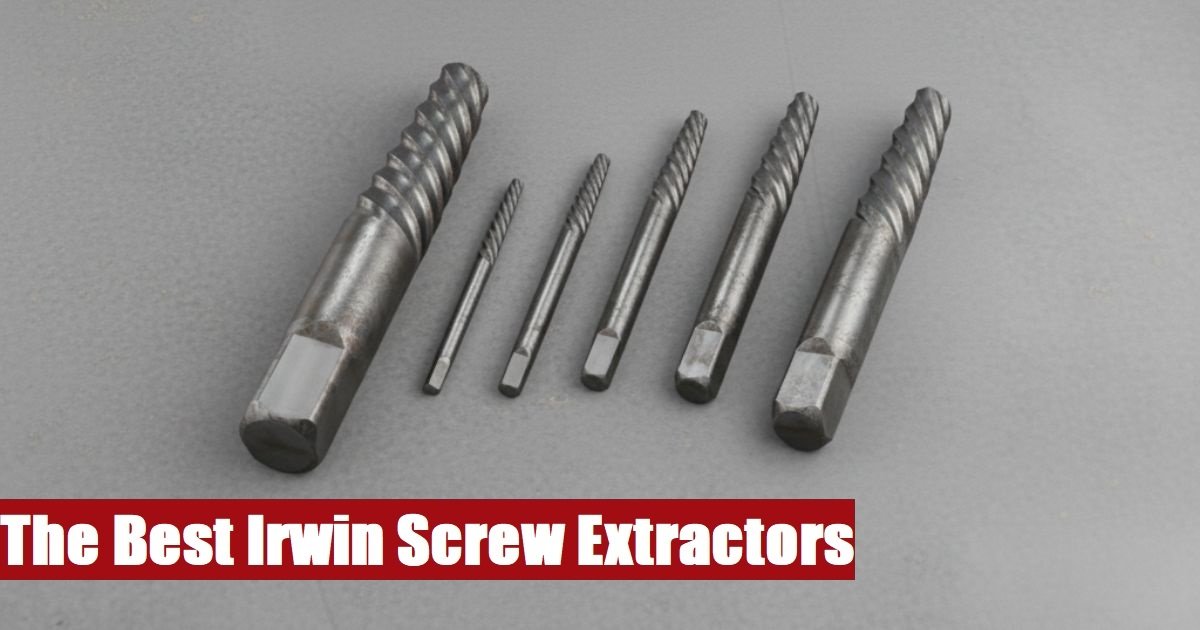
The Best Irwin Screw Extractors: An Expert’s Selection
The Best Snap-on Screw Extractors: A Comprehensive Review
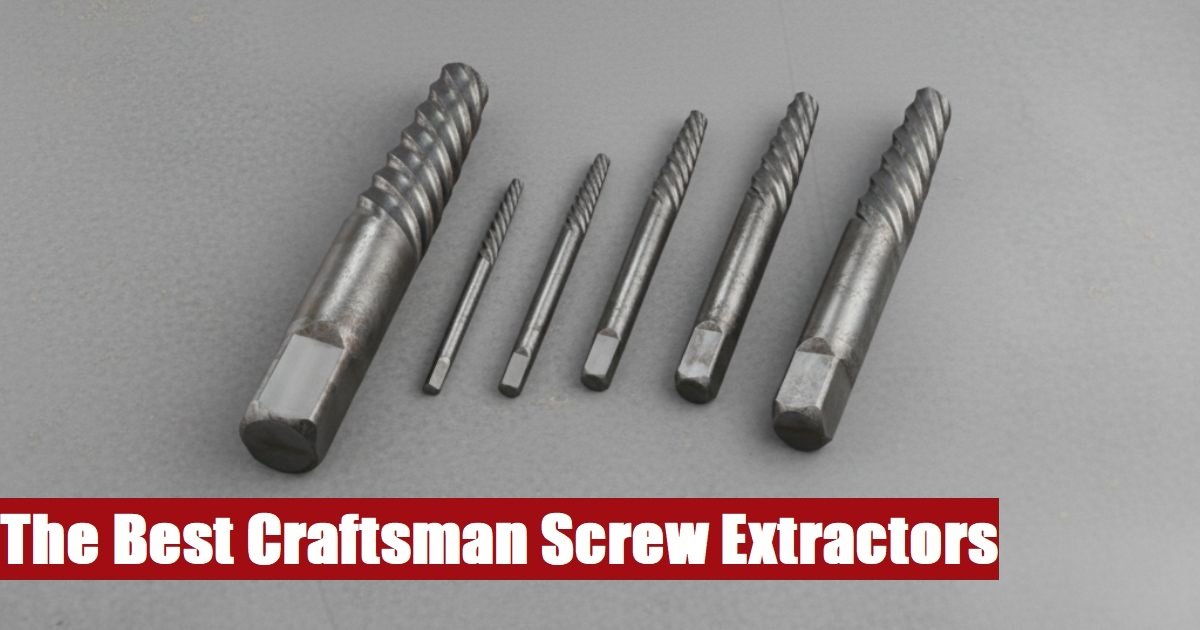
The Best Craftsman Screw Extractors: Your Ultimate Resource
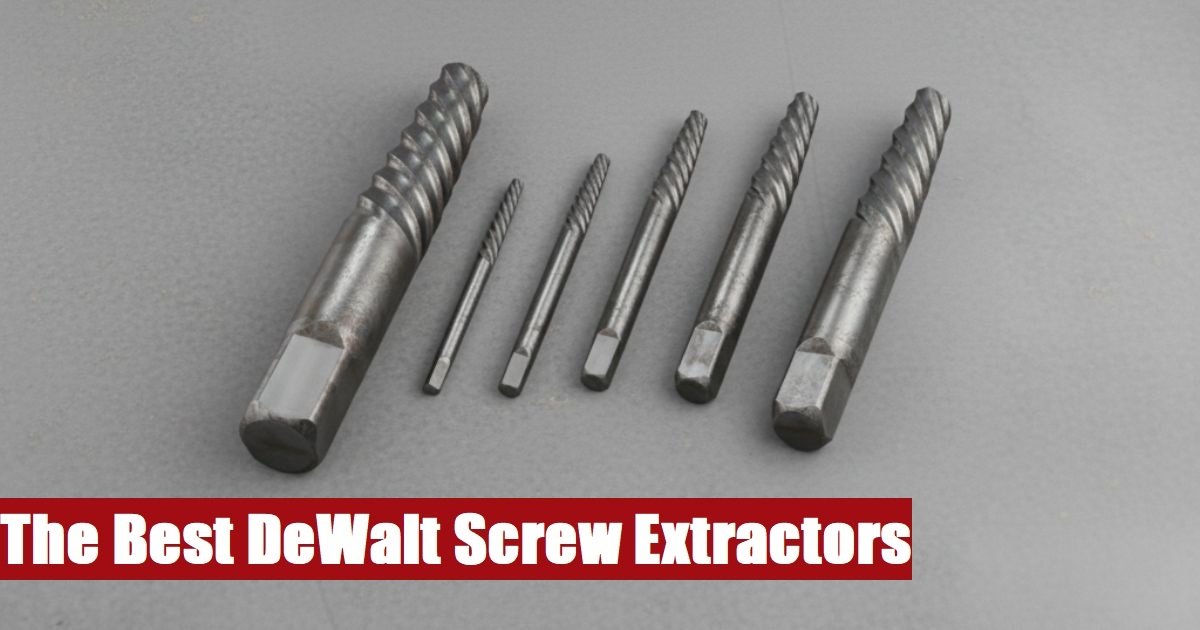
The Best DeWalt Screw Extractors: Complete Buying Guide
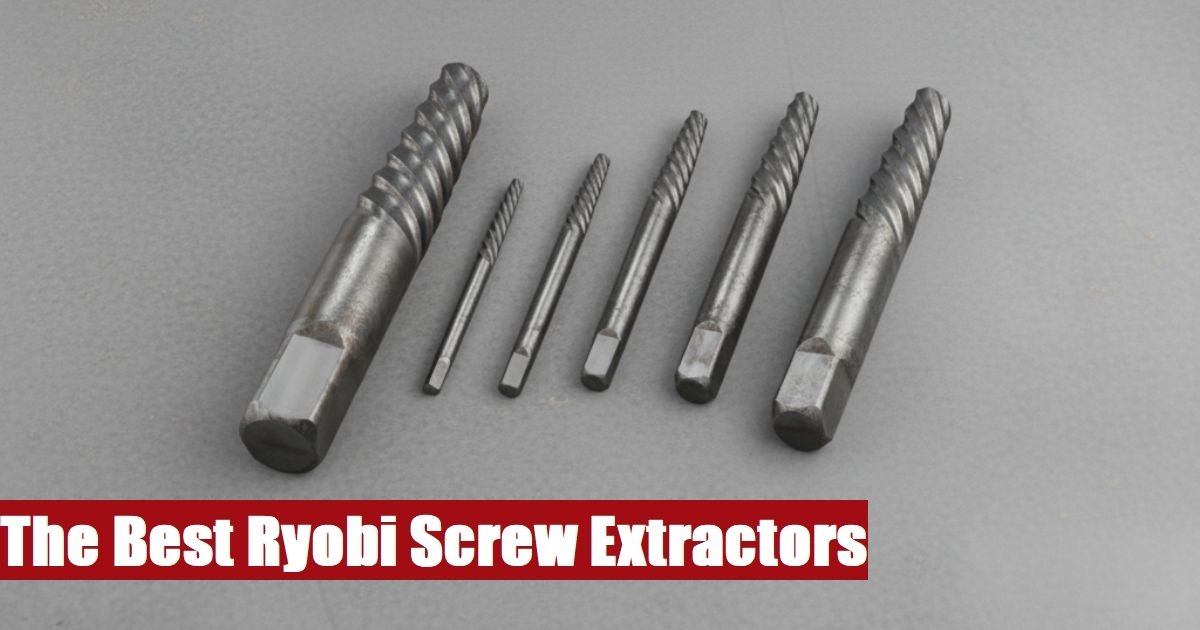
The Best Ryobi Screw Extractors: Top Picks and Buyer’s Guide
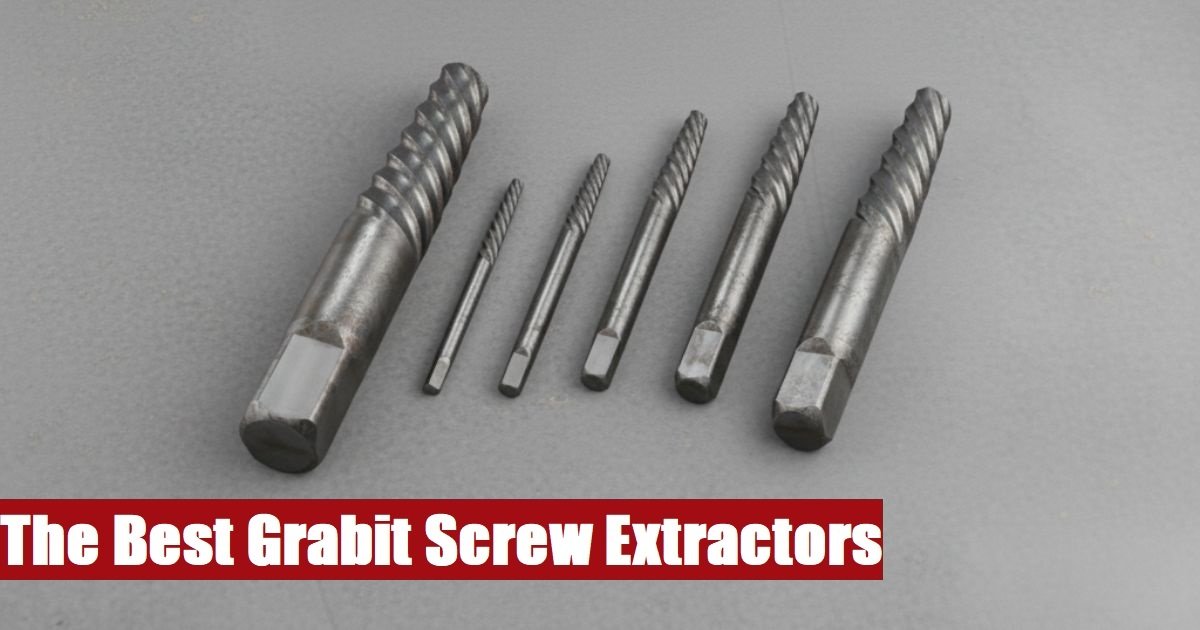
The Best Grabit Screw Extractors: Essential Buyer’s Guide
Key Considerations When Choosing an Easy Out Tool
When selecting an easy out tool, the most critical decision is matching its size to the fastener. An undersized extractor may snap under pressure, while an oversized one can wedge the screw even tighter. Beyond sizing, the quality of the tool itself is paramount. Reputable sets will almost always include a guide for the correct drill bit size, a small detail that makes a huge difference in the field. Our team emphasizes that paying attention to these details is what separates a successful extraction from a failed one.
Here are the essential criteria to look for:
- Correct Sizing: The extractor must be properly matched to the diameter of the broken fastener to ensure maximum grip without causing expansion.
- Hardened Steel Construction: Look for materials like high-carbon steel, chrome-molybdenum, or cobalt to ensure the tool is harder than the fastener you are removing.
- Effective Flute Design: Aggressive spiral flutes offer an excellent grip for most general applications, making them a reliable choice for any toolkit.
The Importance of Material and Design in a Screw and Bolt Extractor
The material composition of a screw and bolt extractor directly impacts its performance and durability. While High-Speed Steel (HSS) is suitable for general use, more demanding jobs require superior materials. Extractors made from cobalt blends or chrome vanadium steel offer greater hardness and heat resistance, significantly reducing the risk of the tool itself breaking off inside the screw—a worst-case scenario. The tool’s design also influences its ease of use. For instance, an easy out screw extractor with a hex head can be driven with a standard socket and wrench, offering far more leverage than a square-ended one that requires a tap handle.
Consider these material and design factors for optimal performance:
- High-Speed Steel (HSS): A reliable and common material perfect for a wide range of common extraction tasks.
- Cobalt Blends: Offer superior hardness and heat resistance, making them ideal for removing hardened bolts or for high-torque applications. The best screw remover will often feature this material.
- Ergonomic Drive Ends: Hexagonal ends provide compatibility with common wrenches and sockets, allowing for greater and more controlled application of torque.
Maximizing the Lifespan of Your Screw Remover
Proper technique and maintenance are essential for getting the most out of your screw remover. Before you even begin, a few preparatory steps can dramatically increase your chances of success and protect your tools. Always use a center punch to create a divot in the middle of the broken screw; this prevents the drill bit from wandering and ensures the extractor is seated perfectly for balanced force. This simple action is a hallmark of professional work. With proper care, a quality screw extractor remover can last for years.
Follow these best practices for every extraction job:
- Use a Center Punch: This ensures your pilot hole is drilled in the exact center of the fastener, which is critical for applying even turning force.
- Apply Penetrating Oil: For rusted or seized fasteners, liberally apply a quality penetrating oil and allow it to soak in before attempting extraction.
- Use Slow and Steady Pressure: Avoid jerky, sudden movements. Apply smooth, consistent torque to turn the extractor, which will prevent the brittle, hardened tool from snapping.
- Clean and Store Properly: After each use, clean any metal shavings from the flutes and store the bits in a dry case to prevent rust and damage.
Your Next Step Towards a Frustration-Free Project
You are now equipped with the foundational knowledge to face any stripped or broken fastener with confidence. The key is understanding that success lies in choosing a tool specifically designed for your unique problem. By moving beyond generic solutions and selecting an extractor based on its type, size, or application, you are setting yourself up for a clean and efficient repair. We encourage you to explore our detailed guides to find the perfect set for your toolbox. Having the right screw extractor on hand means you’ll always be prepared to overcome one of the most common and frustrating workshop challenges.
Clearing Up Common Questions
What Is the Primary Purpose of a Screw Extractor?
The fundamental role of this fastener removal device is to engage with a compromised screw or bolt and remove it without causing damage to the surrounding material or the threaded hole. It provides a clean, professional solution to what can otherwise be a project-stopping problem, preserving the integrity of your workpiece and saving significant time and effort.
How Can I Determine the Right Type of Easy Out Tool for My Situation?
To select the correct removal instrument, you should first assess your specific problem. Consider the fastener’s size and material, the type of damage—is the head stripped or is the shank completely snapped off?—and the material it is stuck in, such as soft wood or hardened steel. Answering these questions will guide you to the ideal category and ensure you choose a tool with the right mechanical design for a successful extraction.
Is There One Single ‘Best Screw Extractor’ Category for All Jobs?
No, there isn’t a universally superior category. The goal is to find the most suitable removal device for your specific task, not a one-size-fits-all solution. A tool perfect for a tiny stripped screw in a laptop would be ineffective on a large, rusted bolt on a vehicle. The effectiveness of a top-rated fastener remover comes from matching its design to the problem, which is why exploring the different types is essential for success.
Do I Need a Different Screw and Bolt Extractor for Rusted Fasteners?
Yes, dealing with heavily corroded fasteners typically requires a more robust seized fastener remover. These are often made from higher-strength steel, like cobalt blends or chrome-molybdenum, to withstand the immense torque needed to break the rust bond. For these challenging situations, a standard tool may not have the durability required, making a heavy-duty option the more reliable choice.
Is an Easy Out Screw Extractor Effective on Broken-Off Bolts?
Absolutely. When a bolt head shears off completely, a broken fastener removal tool is precisely what you need. Its design allows you to drill a pilot hole into the center of the remaining bolt shank. The tool then grips the inside of this hole, allowing you to apply counter-clockwise torque directly to the embedded piece for a clean removal.
Can a Single Screw Puller Work for Both Small and Large Screws?
No, a single fastener gripper is not designed to cover all sizes. The tool’s diameter is critical for achieving a secure grip. Using a bit that is too small for a large screw will likely result in it breaking under pressure, while a bit that is too large won’t be able to bite into a small fastener. This is why these tools are almost always sold in sets that cover a range of dimensions.
What Is the Main Advantage of a Dedicated Screw Removal Tool?
The key benefit of using a specialized extraction device lies in its purpose-built engineering. The reverse-threaded flutes are designed to bite into the metal and increase their grip as more removal force is applied. This provides a level of controlled torque and reliability that makeshift solutions like pliers or chisels simply cannot match, ensuring a higher success rate and preventing further damage.
When Should I Choose a Speed Out Screw Extractor over Other Types?
A double-ended bit is an excellent choice for more straightforward tasks, such as removing screws with stripped heads from softer materials like wood. However, for more demanding situations involving hardened, rusted, or snapped-off bolts, you will likely need a more robust, single-purpose tool. Understanding the limits of each type prevents frustration and helps you select the right instrument for the difficulty of the job.
Are All Tools to Remove Bolts Used Internally?
Not at all. While many common instruments for bolt extraction work by gripping a pilot hole drilled into the fastener, there are also external types. Socket-style extractors, for example, are designed to fit over the outside of a rounded or damaged bolt head, using internal helical flutes to grip the exterior. This offers a completely different mechanical approach for certain types of problems.
Can Any Drill Be Used with an Extractor for Screws?
For most common situations, any standard drill with a variable speed control and a reverse setting will work perfectly fine with a removal bit. However, for extremely stubborn or seized fasteners, using an impact-rated model with an impact driver may be necessary. The rapid rotational impacts generated by that type of driver can provide the extra force needed to break the bond.